In Sierra Leone the Yorùbá are remembered as the Aku: freed captives landed at Freetown in the nineteenth century, whose language and customs helped shape Krio society.
History

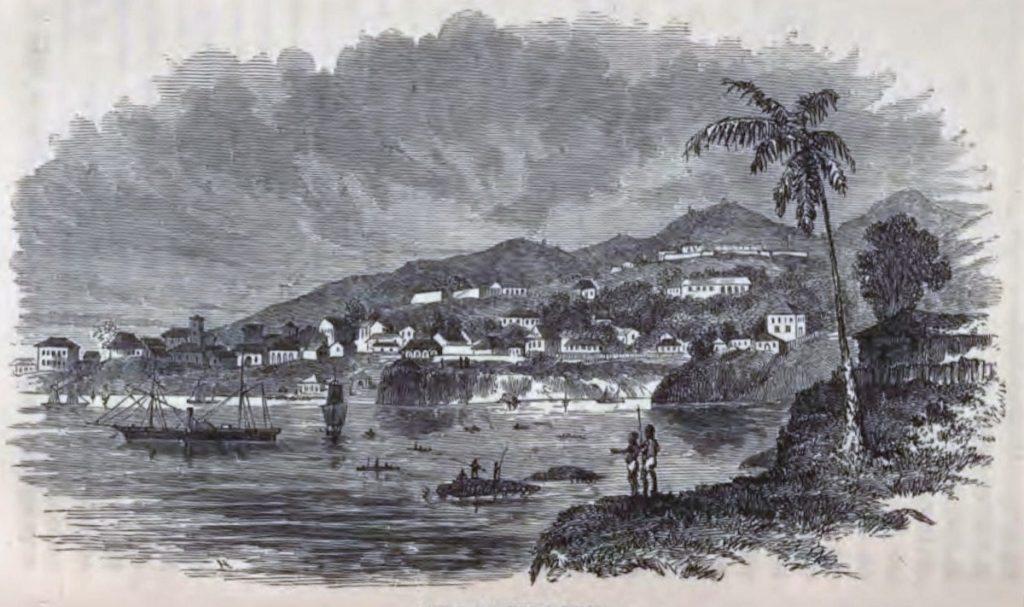
After Britain abolished its slave trade in 1807, the Royal Navy intercepted slave ships along the West African coast and landed the freed captives, known as recaptives or Liberated Africans, at Freetown. The collapse of the Ọ̀yọ́ Empire and the Yorùbá wars of the early nineteenth century fed the Atlantic slave trade, so Yorùbá people became one of the largest groups among the recaptives. They were called Aku, from the Yorùbá greeting ẹ kú.
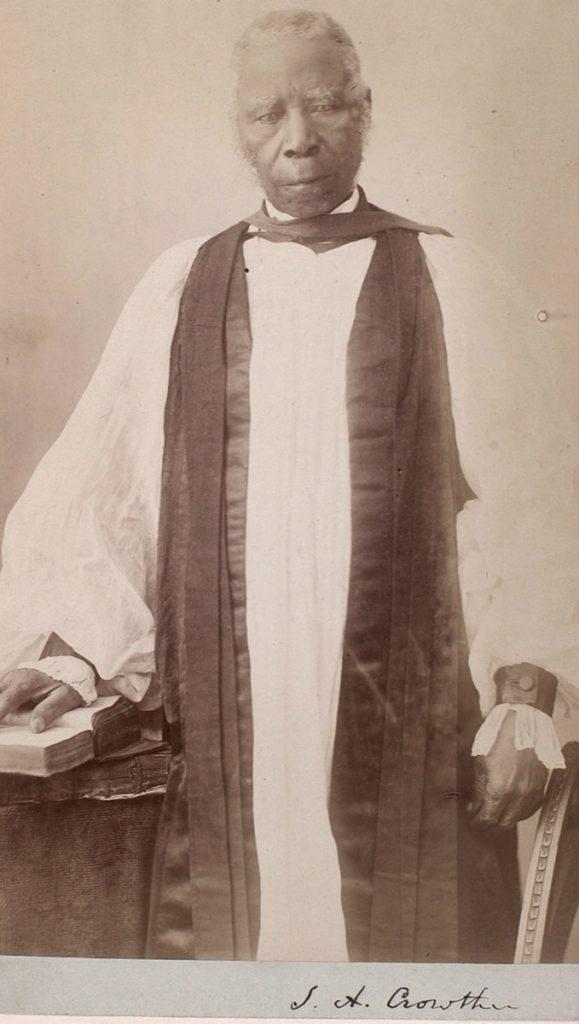
The best-known recaptive is Samuel Àjàyí Crowther, freed in 1822, who studied at Fourah Bay College and in 1864 became the first African Anglican bishop.
The Aku and Krio Society

The Aku helped shape Krio society and culture. Krio language, food, naming ceremonies, masquerades and hunting societies all carry strong Yorùbá influences.
Christian Aku were prominent in the church and in education, while Muslim Aku settled in the Fourah Bay and Fula Town districts of Freetown.
Return to Yorubaland
From the late 1830s many Aku, known as the Saro, returned to Badagry, Lagos and Abẹ́òkúta, where they became merchants, clergy, teachers and early nationalists.