Puerto Rico’s Yorùbá heritage runs through two threads: the Lucumí, enslaved Yorùbá recorded in the island’s colonial archives, and the òrìṣà traditions that returned in the twentieth century by way of Cuba.
History
Puerto Rico’s enslaved African population grew sharply in the early nineteenth century, after the Spanish Crown’s Real Cédula de Gracias of 1815 encouraged settlers and sugar planting. Captives came from many parts of Africa, and Yorùbá people appear in colonial records under the Spanish name Lucumí, alongside Congo, Mandinga and Carabalí. Slavery was abolished in 1873.
Religious Heritage
No organised Yorùbá religion survived from slavery as it did in Cuba. Yorùbá worship returned in the twentieth century, mainly through Cuban Santería (Regla de Ocha, also called the Lucumí religion), carried by Cuban exiles after the 1959 revolution and through links with New York.
On the island it often blends with Espiritismo, a mix sometimes called Santerismo, and òrìṣà and Ifá houses are now well established in San Juan and other towns.
Ancestral Heritage
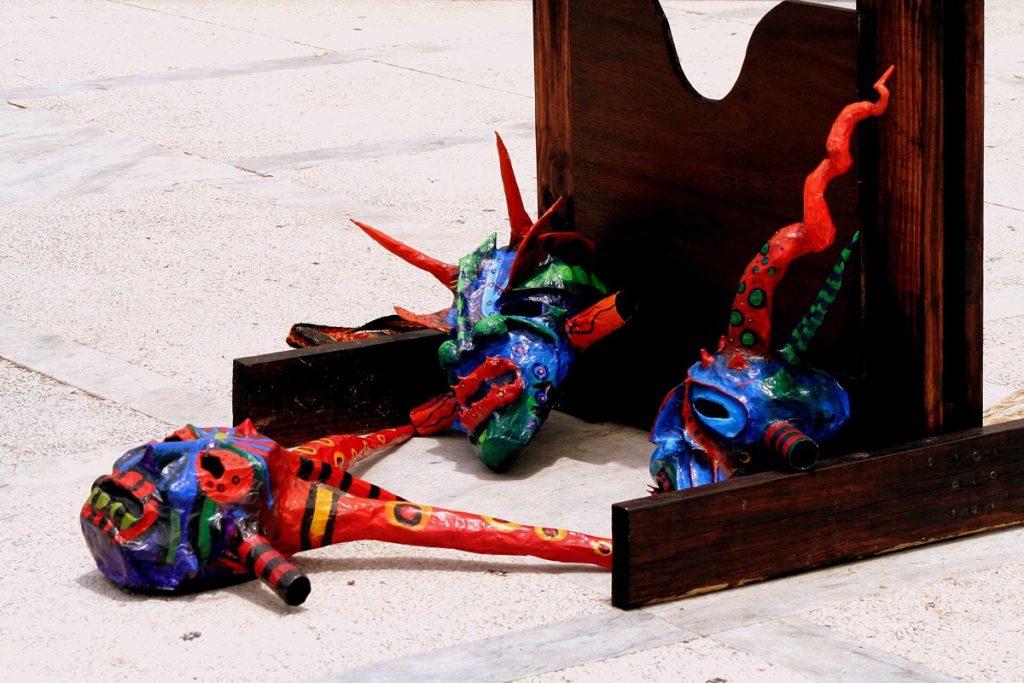
The Lucumí name in colonial records, and the Yorùbá liturgical language and òrìṣà names used in Santería, trace the island’s Yorùbá roots. Towns such as Loíza, the island’s best-known Afro-Puerto Rican community, carry a wider African heritage in their festivals and bomba music, which draw on several African traditions.