
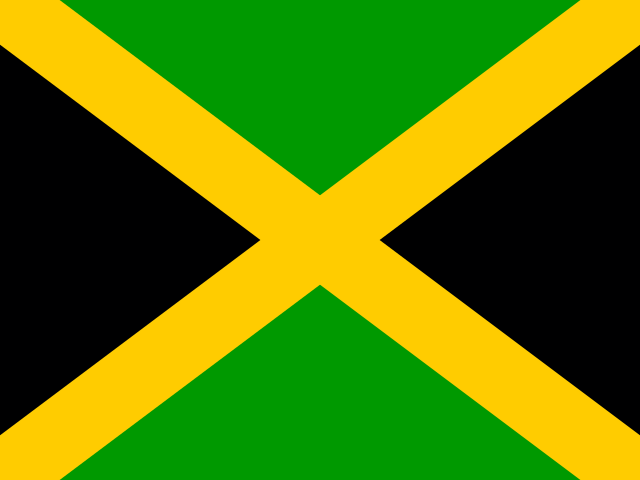
Jamaica’s Yorùbá heritage is unusually well remembered: thousands of Yorùbá came after emancipation as free workers, and the Etu tradition of Hanover and the district of Abeokuta in Westmoreland still carry their memory.
History
Yorùbá people were among the Africans enslaved in Jamaica, but a second, better-recorded group came after slavery ended. Between 1841 and 1865 several thousand Africans freed from slave ships by the Royal Navy were brought to Jamaica as indentured workers, many of them Yorùbá, known on the island as Nago.
Many settled in the western parishes of Westmoreland and Hanover, where one community named its district Abeokuta, after the Ẹ̀gbá capital in Nigeria.
Cultural Heritage
Etu, a ceremony of song, drumming and dance held in Hanover, preserves Yorùbá words and melodies handed down by the Nago families. Yorùbá words also survive in Jamaican speech and in the traditions of Kumina and Revival communities.
Community Life
Today Jamaicans with Nago ancestry, scholars and cultural groups are reconnecting with that history, and Nigerian Yorùbá in Jamaica and in the Jamaican diaspora in the UK and North America build links between the two peoples.