
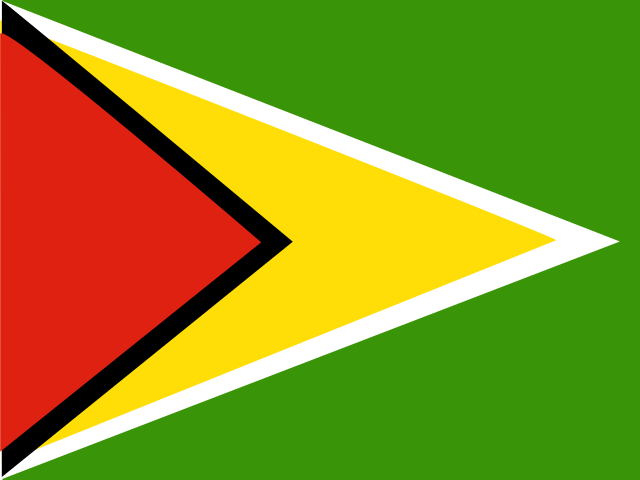
Guyana, on the South American mainland but part of the Caribbean family, received thousands of liberated Africans after emancipation, many of them Yorùbá, whose names and traditions live on in African Guyanese families.
History
After slavery ended in British Guiana in 1838, planters looked abroad for workers. Between the late 1830s and the 1860s more than ten thousand Africans freed from slave ships, many of them Yorùbá, were brought to the colony from Sierra Leone and St Helena to work on the sugar estates.
Some kept their Yorùbá names and formed their own villages and societies, alongside African Guyanese whose ancestors had been enslaved in the colony.
Cultural Heritage
Yorùbá words, names and beliefs survive in African Guyanese traditions, and Guyanese today are rediscovering those roots through research, festivals and links with the Yorùbá diaspora.