
Cuba holds one of the strongest Yorùbá legacies in the Americas. The Lucumí tradition keeps Yorùbá prayers, songs and drumming alive across the island.
History
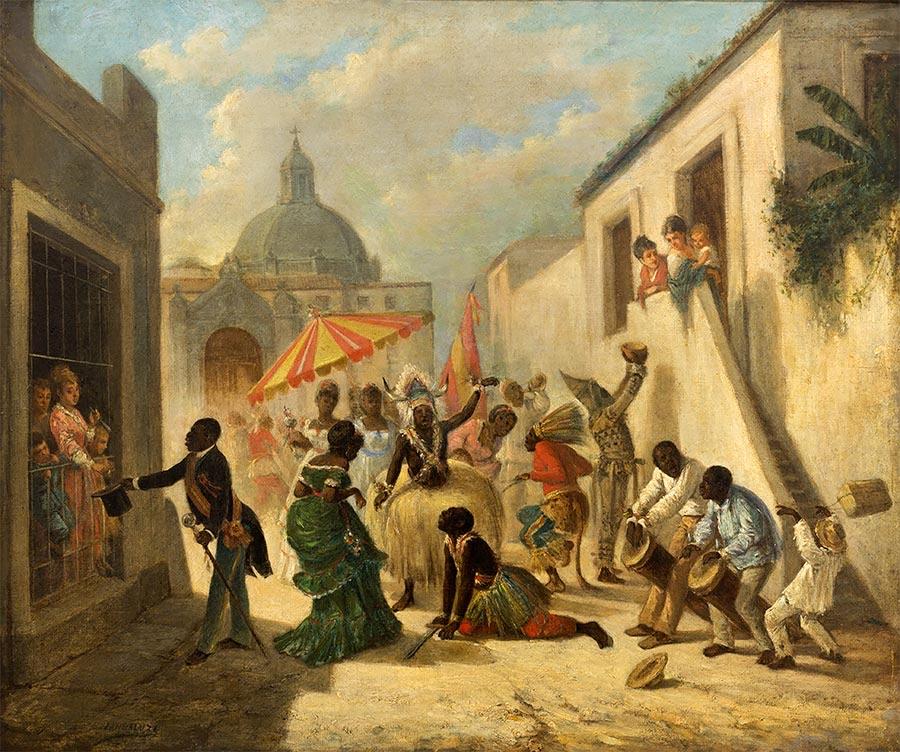
Many of the enslaved Africans brought to Cuba in the nineteenth century were Yorùbá, known on the island as Lucumí. They kept their faith and language alive through cabildos, mutual-aid societies organised by nation.

Religious and Cultural Life
Regla de Ocha, often called Santería, and the Ifá tradition preserve the Òrìṣà and a liturgical language descended from Yorùbá. Batá drumming carries Yorùbá rhythms into Cuban music today.