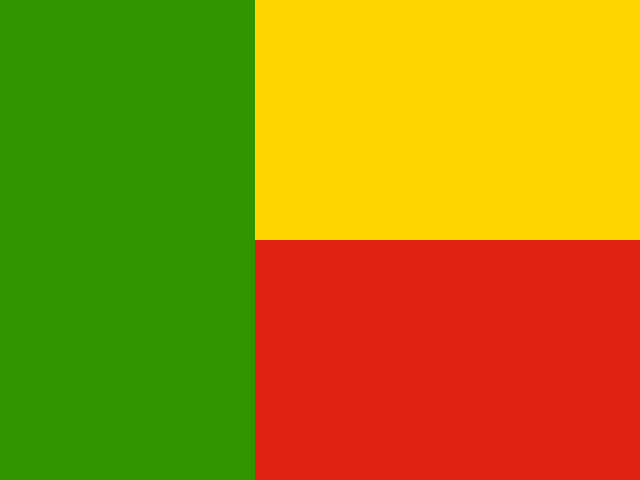
Benin is home to the largest Yorùbá population outside Nigeria. Yorùbá and related groups, known locally as Nago, make up about 12% of the country’s people according to the 2013 census, and live mainly in the south-east and centre.
Kingdoms and Towns
.jpg)
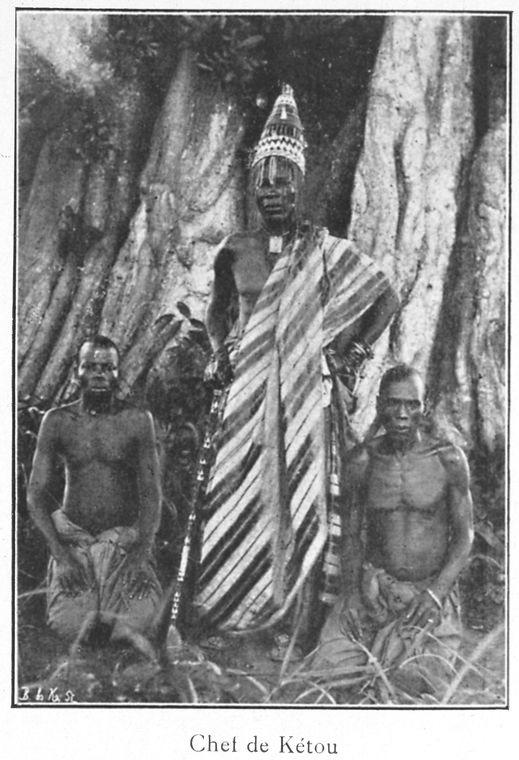
The Yorùbá of Benin live in historic kingdoms and towns including Kétu, one of the oldest Yorùbá kingdoms, ruled by the Alaketu; Savè (Sabe); Dassa-Zoumè (Idaasha); Ifangni (Ifonyin); the Holli (Ohori) area; and Porto-Novo, a city they share with their neighbours. Their traditions trace these kingdoms to Ilé-Ifẹ̀.
History
In the eighteenth century the Ọ̀yọ́ Empire dominated the Kingdom of Dahomey, which paid it tribute for close to a century. As Ọ̀yọ́ declined, Dahomey turned on the western Yorùbá: it failed to take Abẹ́òkúta in 1851 and 1864, but sacked Kétu in 1886.
Soon afterwards, the Anglo-French boundary agreement of 1889 divided Yorùbá lands between British Lagos and French Dahomey, leaving Kétu and Savè on the French side. Towns and families that had always been one people found themselves in two countries.
Culture and Public Life
Yorùbá culture is woven into Beninese life, from the influence of the Yorùbá òrìṣà on Vodun to Gẹ̀lẹ̀dẹ́ festivals, and Yorùbá is one of the main languages of the south, spoken alongside French and Fon.
Yorùbá people are part of national politics too: in 1970 Benin adopted a rotating presidency among the Fon, Yorùbá and Bariba regions.
Community Life
Yorùbá in Benin keep strong ties with their kin across the border through trade, marriage and festivals.